
FinOps for Kubernetes: How to Optimize Container Cloud Costs
Kubernetes has transformed how organizations deploy, scale, and manage containerized applications. However, as clusters grow and workloads become more complex, controlling infrastructure spending can become challenging. Unused resources, oversized workloads, idle clusters, and inefficient scaling can increase cloud costs without delivering additional business value.
Kubernetes cost optimization helps organizations improve resource utilization, control infrastructure spending, and maintain application performance while applying FinOps principles to containerized workloads.
In this guide, we explore practical strategies for optimizing Kubernetes costs across enterprise cloud environments.
What Is FinOps for Kubernetes?
FinOps is a cloud financial management practice that brings engineering, finance, and business teams together to understand and optimize technology spending.
FinOps for Kubernetes applies these principles to container infrastructure, helping teams connect cloud expenses with workloads, applications, environments, and business outcomes.
A Kubernetes cost management strategy typically includes:
- Tracking cluster and workload spending.
- Measuring CPU and memory utilization.
- Identifying unused or overprovisioned resources.
- Improving workload scheduling and autoscaling.
- Allocating costs to teams and applications.
- Establishing budgets and cost alerts.
- Balancing performance, reliability, and spending.
The objective is not simply to spend less. It is to use cloud resources efficiently while meeting application requirements.
Why Kubernetes Costs Can Increase
Kubernetes introduces multiple layers of infrastructure, including worker nodes, networking, persistent storage, load balancers, and managed control-plane services.
Costs can grow when these resources are not managed effectively.
Common causes include:
- CPU and memory requests that exceed actual workload needs.
- Idle development and testing clusters.
- Underutilized worker nodes.
- Excessive replica counts.
- Inefficient autoscaling configurations.
- Unused persistent volumes and load balancers.
- Cross-zone or cross-region network traffic.
- Insufficient visibility into workload-level spending.
Identifying these issues requires visibility into both cloud billing data and Kubernetes resource consumption.
1. Establish Cost Visibility Across Kubernetes Clusters
The first step in Kubernetes cost optimization is understanding where money is being spent.
Cloud provider billing dashboards can show infrastructure expenses, but they may not provide sufficient detail about individual applications or namespaces without additional configuration or tooling.
Create a consistent cost visibility strategy that tracks spending by cluster, namespace, workload, team, and environment where practical.
Recommended practices include:
- Apply consistent labels and metadata to workloads.
- Separate production, staging, and development environments.
- Track node, storage, networking, and managed-service costs.
- Review cost trends regularly.
- Identify resources that cannot be attributed to a specific team.
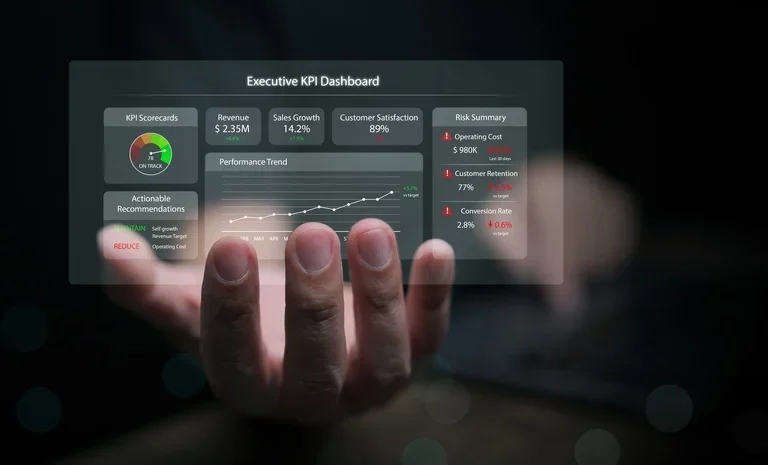
- Establish a shared dashboard for engineering and finance stakeholders.
Tools such as OpenCost can help teams understand Kubernetes workload costs. Cloud-native billing tools can provide additional information about the underlying infrastructure.
Reliable cost allocation makes it easier to prioritize optimization work and establish accountability.
2. Right-Size CPU and Memory Requests
Incorrect resource requests are a common source of Kubernetes inefficiency.
CPU and memory requests influence scheduling decisions. If requests are consistently too high, the scheduler may place fewer workloads on a node than its capacity could otherwise support.
If requests are too low, workloads may experience resource contention or become unstable under higher demand.
To improve resource efficiency:
- Measure actual CPU and memory consumption over time.
- Compare resource requests with observed workload behavior.
- Review memory usage during peak traffic.
- Adjust requests based on realistic demand.
- Set limits where appropriate for workload safety.
- Monitor CPU throttling, out-of-memory events, and latency after changes.
Avoid setting every workload to the same resource configuration. Different services have different performance and reliability requirements.
Use historical metrics and load testing to make informed adjustments rather than reducing requests simply to improve utilization figures.
3. Use Horizontal and Vertical Autoscaling Effectively
Autoscaling helps Kubernetes workloads respond to changing demand without requiring constant manual intervention.
The Horizontal Pod Autoscaler can adjust the number of replicas based on supported metrics. The Vertical Pod Autoscaler can recommend or adjust CPU and memory resources, depending on its configuration. Cluster autoscaling mechanisms can add or remove worker nodes as capacity requirements change.
For effective autoscaling:
- Select metrics that reflect actual workload demand.
- Configure realistic minimum and maximum replica counts.
- Account for startup time and traffic spikes.
- Review scale-up and scale-down behavior.
- Avoid excessive replica counts during low-demand periods.
- Coordinate workload scaling with node capacity.
- Test autoscaling under realistic load conditions.
Autoscaling should protect application performance while avoiding unnecessary resource consumption.
For latency-sensitive applications, keeping some baseline capacity available may be more cost-effective than repeatedly scaling from zero or operating too close to capacity limits.
4. Optimize Kubernetes Node Utilization
Worker nodes represent a major portion of Kubernetes infrastructure spending.
Poor scheduling and oversized node configurations can leave substantial compute capacity unused.
Improve node utilization by reviewing:
- CPU and memory allocation across nodes.
- Pod placement and scheduling constraints.
- Node pool size and instance types.
- Workload distribution across availability zones.
- System overhead and reserved capacity.
- Opportunities to consolidate compatible workloads.
Cluster autoscaling can help remove nodes that are no longer required, provided the workloads can be rescheduled safely.
Consider using different node pools for workloads with distinct resource requirements. For example, memory-intensive services may benefit from different instance types than CPU-intensive processing jobs.
Avoid maximizing utilization at the expense of resilience. Critical applications may need spare capacity to handle failures, traffic spikes, and maintenance events.
5. Evaluate Spot Instances and Flexible Compute Options
Cloud providers offer discounted compute capacity, including spot or preemptible instances, for workloads that can tolerate interruptions.
These options may reduce infrastructure costs when used appropriately.
Suitable workloads can include:
- Batch processing.
- Development and testing environments.
- Fault-tolerant data processing.
- Distributed jobs that can resume after interruption.
- Stateless workloads with multiple replicas.
Before adopting discounted capacity, consider interruption behavior, replacement capacity, workload startup time, and recovery requirements.
Use a diversified node pool strategy where supported, and maintain suitable on-demand or otherwise reliable capacity for critical services.
Do not place every production workload on interruptible infrastructure. The potential savings should be weighed against availability and operational risks.
6. Reduce Idle Cluster and Environment Costs
Development, testing, demonstration, and temporary environments can continue consuming resources even when nobody is using them.
Create policies to identify and reduce unnecessary idle capacity.
Practical measures include:
- Schedule non-production environments to scale down outside working hours.
- Remove temporary clusters after projects finish.
- Delete unused load balancers and persistent volumes.
- Review abandoned namespaces and deployments.
- Set expiration dates for temporary environments.
- Automate cleanup through approved workflows.
- Notify resource owners before deleting potentially important assets.
Keep production and recovery requirements separate from non-production cleanup policies.
Automation should include ownership checks, exclusions, and safeguards so that essential services are not accidentally removed.
7. Optimize Storage and Network Spending
Kubernetes cost management should cover more than CPU and memory.
Persistent storage, data transfer, load balancing, and network services can contribute significantly to total cloud spending.
Review the following areas:
Persistent volumes: Identify unattached or oversized volumes, review storage classes, and align performance tiers with application requirements.
Data transfer: Analyze cross-zone and cross-region traffic, especially between frequently communicating services.
Load balancers: Review unused load balancers, duplicate ingress resources, and unnecessary public endpoints.
Container registries: Remove obsolete images according to retention policies and maintain appropriate image caching.
Logging and monitoring: Control telemetry volume and retention without removing information required for security or troubleshooting.
Any storage or network optimization should preserve the application’s performance, durability, and recovery requirements.
8. Apply Resource Quotas and Limit Ranges
In shared Kubernetes clusters, one team can consume a disproportionate amount of available resources if usage is not controlled.
ResourceQuotas and LimitRanges can help establish resource boundaries within namespaces.
Use these controls to:
- Define namespace-level CPU and memory quotas.
- Set sensible default resource requests.
- Limit excessive resource consumption.
- Encourage teams to declare workload requirements.
- Prevent accidental resource over-allocation.
- Support fair sharing of cluster capacity.
Quotas should reflect the needs of each application and team. Strict limits without capacity planning can prevent legitimate deployments or cause workloads to remain unscheduled.
Review quota usage regularly and create a process for requesting additional capacity when business requirements change.
9. Use Cost Allocation and Showback Reporting
Engineering teams often make infrastructure decisions without clear visibility into the financial impact.
FinOps improves accountability by connecting resource consumption with the teams and services responsible for it.
Implement cost allocation using consistent labels, namespace ownership, and workload metadata.
Consider creating regular reports that show:
- Total cloud spending by team or application.
- Cost trends over time.
- Estimated cost per transaction or workload.
- Unallocated infrastructure expenses.
- Savings from completed optimization activities.
- Forecasted spending compared with budgets.
Showback reports provide cost visibility to teams, while chargeback approaches assign costs to budgets or business units.
Start with transparent reporting before introducing complex cost-allocation policies. Shared infrastructure may require an agreed method for distributing costs fairly.
10. Set Budgets, Alerts, and Cost Guardrails
Cost visibility is most useful when teams can act before spending exceeds expectations.
Establish budgets and alerts at suitable levels, such as the overall cloud account, cluster, application, or business unit.
Effective cost controls include:
- Define expected spending ranges for important workloads.
- Monitor unusual increases in resource consumption.
- Alert owners when spending exceeds thresholds.
- Review cost anomalies alongside deployment changes.
- Establish approval processes for unusually large resource requests.
- Set clear ownership for cost remediation.
Budgets and alerts do not automatically prevent all overspending. They should be supported by resource policies, operational reviews, and clear responsibility for taking action.
11. Adopt Continuous FinOps Reviews
Kubernetes cost optimization should be an ongoing process rather than a one-time cleanup activity.
Workload demand, application architecture, cloud pricing, and business priorities change over time.
Schedule recurring reviews involving engineering, operations, and finance teams.
During each review:
- Identify the largest cost contributors.
- Investigate changes in spending.
- Review resource requests and utilization.
- Prioritize optimization opportunities.
- Estimate savings and potential operational risks.
- Assign actions to responsible owners.
- Measure the impact after implementation.
Track both financial and technical outcomes. A successful optimization should reduce waste without causing unacceptable increases in latency, failures, or operational complexity.
Conclusion
Kubernetes cost optimization helps enterprises manage cloud spending while maintaining reliable application performance. By improving resource requests, configuring autoscaling, optimizing node utilization, controlling idle environments, and tracking workload-level costs, organizations can make better use of their infrastructure.
A successful FinOps strategy combines accurate cost visibility, engineering accountability, automated controls, and continuous improvement.
Start by identifying your largest cost drivers, measuring actual resource utilization, and prioritizing changes that deliver meaningful savings without compromising reliability.
Planning an enterprise cloud optimization strategy? Explore related articles on Cloud FinOps, infrastructure as code, cloud observability, and Kubernetes security to build a more efficient and resilient cloud environment.